What Is the Average Lifespan of Different Roofing Materials?
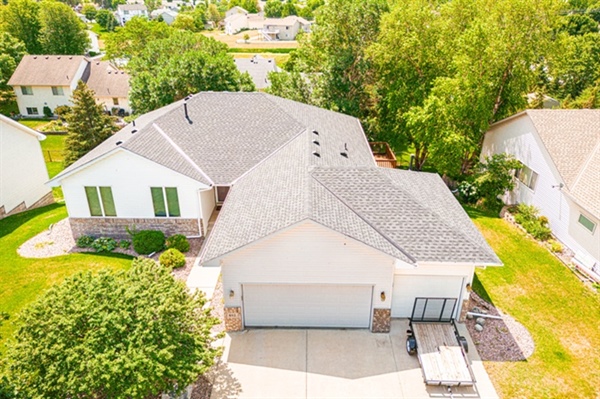
Minnesota homeowners understand that a roof does far more than enhance curb appeal—it protects against heavy snow loads, ice dams, hailstorms, high winds, and dramatic temperature swings. When considering a new roof, one of the most important questions is simple: what is the average lifespan of different roofing materials? The answer depends on material type, installation quality, ventilation, insulation, and how well the system performs under harsh Midwestern weather conditions.
From standard asphalt shingles to metal systems designed for extreme durability, each roofing material responds differently to freeze-thaw cycles and prolonged snow coverage. In this guide, we’ll explore how long asphalt shingles last in Minnesota climates, whether metal roofing performs better during winter, how snow load impacts durability, whether architectural shingles justify their longer lifespan, and how maintenance influences long-term performance. Drawing from the experience of Sharp Exteriors and proven industry standards, we’ll break down what homeowners should know before investing in residential roofing systems built to handle Minnesota’s demanding environment.
How Long Do Asphalt Shingles Last in Minnesota Climates?
Standard three-tab asphalt shingles are typically rated for 20 to 30 years under ideal conditions. However, Minnesota’s climate significantly influences real-world performance. Repeated freeze-thaw cycles accelerate granule loss, cause thermal expansion cracking, and place stress on adhesive seals. In northern climates, three-tab shingles often perform closer to 18–25 years depending on installation quality and attic ventilation.
Architectural and dimensional asphalt shingles generally outperform traditional three-tab systems. These products are thicker, laminated, and more resistant to wind uplift and moisture penetration. In cold climates like Prior Lake and the broader Twin Cities region, architectural shingles frequently achieve 25–35 years of service life when properly installed with balanced intake and exhaust ventilation. Ventilation plays a measurable role in preventing ice dams and moisture buildup that prematurely degrade decking and underlayment.
Installation quality also determines longevity. Improper nailing patterns, insufficient underlayment, or poor flashing integration reduce lifespan regardless of shingle rating. Modern residential roofing systems emphasize full-system performance, including ice and water shield placement along eaves and valleys, which is critical in snow-heavy regions. Manufacturer warranties may advertise 30-year coverage, but climate exposure remains the defining variable in Minnesota.
Do Metal Roofs Perform Better During Minnesota Winters?
Metal roofing systems are widely recognized for their durability in cold-weather regions. Steel and aluminum panels resist cracking under freeze-thaw stress and shed snow more efficiently than asphalt systems. Snow naturally slides from properly pitched metal roofs, reducing prolonged load weight and limiting the formation of ice dams along eaves.
Metal roofs also tolerate extreme temperature swings without the same level of expansion-related deterioration seen in asphalt materials. Minnesota winter temperatures can fluctuate dramatically within short periods, and metal’s structural stability allows it to maintain integrity across these changes. Proper fastening systems and concealed clips accommodate controlled expansion and contraction without compromising watertight seals.
For commercial properties especially, commercial roofing systems often incorporate standing seam metal due to its longevity, which can exceed 40–70 years depending on coating and gauge thickness. Protective finishes such as galvanized or Galvalume coatings prevent corrosion from moisture exposure, making metal roofing one of the most resilient options in prolonged winter conditions.
How Does Snow Load Affect Roof Material Durability?
Snow load places sustained structural pressure on roofing systems. In Minnesota, accumulated snow can weigh between 10 to 20 pounds per cubic foot, and when compacted or saturated with ice, that weight increases substantially. Roofing materials must withstand both static weight and shifting loads caused by melting and refreezing cycles.
Asphalt shingles experience gradual compression under heavy snow cover, particularly when underlying decking has minor moisture damage. Over time, this repeated pressure can lead to subtle sagging between rafters and stress at fastening points. Ice dams compound the problem by trapping meltwater beneath shingle edges, increasing the risk of underlayment saturation and deck rot.
Materials such as metal and properly installed architectural shingles handle snow loads more effectively due to enhanced structural rigidity. Adequate attic insulation and ventilation remain critical in managing heat loss, which directly influences snow melt patterns. Roof pitch also plays a measurable role; steeper slopes shed snow more efficiently, reducing prolonged stress on materials and fasteners.
Are Architectural Shingles Worth the Longer Lifespan?
Architectural shingles, also known as dimensional or laminated shingles, are engineered with multiple asphalt layers bonded together. This thicker construction increases resistance to wind uplift, impact damage, and thermal cycling. In climates with significant seasonal variation, these performance improvements directly correlate with longer service life.
Compared to standard three-tab shingles, architectural products often carry wind ratings up to 110–130 mph and provide enhanced protection against granule loss. The additional thickness slows UV degradation and moisture penetration, both of which contribute to aging in harsh climates. Industry data consistently shows architectural shingles lasting five to ten years longer than entry-level options under similar environmental conditions.
Cost differentials between three-tab and architectural shingles are moderate relative to total roof replacement expense. When evaluating long-term durability, many homeowners calculate cost per service year rather than initial installation price. In Minnesota’s demanding climate, the extended lifespan and improved structural resilience frequently justify the upgrade for those planning long-term homeownership.
How Maintenance Impacts Roof Longevity in Cold Climates
Routine maintenance has a measurable impact on roof lifespan in northern environments. Seasonal inspections identify early granule loss, flashing separation, and minor shingle displacement before moisture infiltration begins. Ice dam prevention strategies, including attic insulation assessment and ventilation balancing, directly reduce winter-related deterioration.
Debris removal from valleys and gutters ensures proper drainage during snow melt. Standing water accelerates shingle breakdown and promotes underlayment saturation. Moss and algae growth, while less common in colder climates, still require removal when present to prevent trapped moisture against the shingle surface.
Professional inspections document wear progression and confirm whether repairs can extend service life or whether replacement becomes more cost-effective. Homeowners seeking expert evaluations can reference Sharp Exteriors for comprehensive assessments based on documented inspection criteria, structural review, and climate-specific performance analysis.
Sharp Exteriors Helps You Maximize Roof Lifespan in Minnesota
Understanding how long different roofing materials last is only part of the equation. Proper installation, climate-specific material selection, ventilation design, and proactive maintenance all determine whether your roof reaches its full lifespan. Sharp Exteriors, located at 16859 Welcome Avenue SE, Prior Lake, MN 55372, has helped Minnesota homeowners navigate these decisions since 2011.
From evaluating asphalt versus architectural shingles to assessing whether metal roofing is appropriate for your property, our team provides comprehensive inspections and detailed condition reports. We analyze snow load performance, ventilation balance, and structural integrity so homeowners can make informed long-term decisions. Whether you are planning a full replacement or reviewing storm-related wear, our certified team delivers documented findings and clear recommendations.
If you’re evaluating roof longevity or planning your next roofing project, call Sharp Exteriors at 612-454-0605 or contact us to schedule a professional consultation. A durable roof begins with informed choices and expert execution.