How to Prepare Your Home’s Exterior for Minnesota’s Harsh Winters
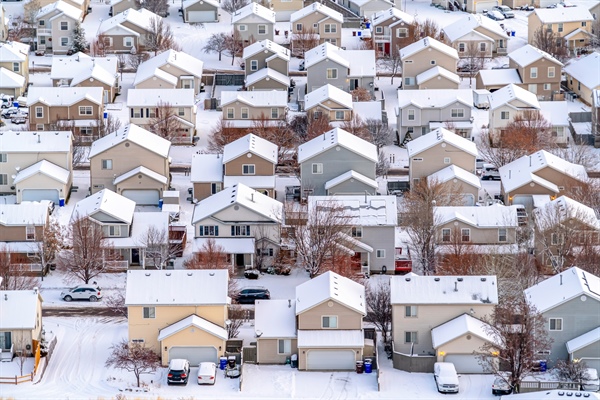
Minnesota winters are unforgiving. Between heavy snowfall, freezing rain, and brutal wind chills, your home’s exterior needs to be in peak condition long before the first flurries fall.
Ice dams, cracking siding, roof leaks, and frozen gutters are just a few of the seasonal headaches that can turn into expensive repairs if left unchecked. That’s why early fall is the ideal time to prepare your property rather than reacting after damage has already occurred.
When the temperature starts to dip, it doesn’t just affect comfort indoors — your roof, siding, windows, and gutters are all under pressure to perform. The freeze-thaw cycle alone is enough to create structural strain on vulnerable materials.
If your home isn’t ready, small problems like a loose shingle or a clogged downspout can quickly escalate into serious damage, including interior leaks and foundation issues. Homeowners who stay ahead of the weather stand a much better chance of getting through the season without costly surprises.
Preparation starts with knowing what to look for and what steps to take. In this article, we’ll walk through the most important areas to focus on as winter approaches. And for those who want a clear plan of action, we’ll end with a practical seasonal maintenance checklist tailored to our climate. Sharp Exteriors understands what Minnesota homes are up against — let’s make sure yours is ready!
Roofing Maintenance Steps Minnesota Homeowners Should Complete Before the First Snowfall
Before the first snow hits, homeowners in Minnesota need to prepare their roofs to handle the weight, moisture, and freeze-thaw cycles that come with winter.
Do a Roof Inspection
One of the most critical first steps is conducting a full visual inspection. Look for damaged, curled, or missing shingles that could expose the underlayment to moisture. Any visible wear and tear, especially around valleys, ridges, and flashing, should be addressed immediately.
Roof penetrations, such as chimneys and vents, must be sealed tightly, as gaps can allow water and ice to seep in and cause structural damage.
Clear Debris
Another important area of maintenance is clearing off roof debris. Leaves, branches, and moss can trap moisture and accelerate deterioration. Use a roof-safe rake or hire a professional to remove the buildup without damaging the shingles.
Ensure Proper Ventilation
Ice dams are another major concern in Minnesota. These form when warm attic air melts snow, which then refreezes along the eaves. To prevent this, ensure proper attic ventilation and insulation.
A well-insulated attic keeps the roof cold, reducing the chances of ice dams. Installing heat cables along the roofline can also help minimize buildup in known problem areas.
Make Any Long-Term Improvements
Proactive maintenance doesn't just reduce the chance of emergency repairs — it extends the life of your roofing system. For homeowners considering long-term improvements, now is the time to assess whether the roof is nearing the end of its useful life.
Sharp Exteriors offers inspections, repairs, and roof replacement services using durable products from GAF, Malarkey, and Brava. These materials are engineered to withstand extreme cold, high winds, and heavy snow.
For homeowners looking to improve roof durability before winter, explore Sharp’s siding services as part of a full exterior protection strategy.
How to Inspect & Reinforce Siding to Prevent Cold-Weather Damage
Siding takes the brunt of Minnesota’s winter weather, shielding your home from snow, ice, and freezing wind. Inspecting it before the cold sets in is essential for preserving structural integrity and energy efficiency.
Begin by walking around the exterior of your home to identify cracks, warping, gaps between panels, and loose boards, especially at seams, corners, and around windows. These small imperfections can allow cold air and moisture to penetrate your home’s envelope, leading to heat loss, water infiltration, and mold growth. Use a flashlight to examine areas shaded from sunlight, as they’re more prone to hidden moisture retention and damage.
After identifying vulnerabilities, reinforcement becomes the next step. Caulking and sealing gaps between siding panels, window trim, and doors can dramatically reduce air leakage. Replace any damaged or rotting panels immediately to prevent water from entering the wall cavity and freezing.
Upgrading to impact-resistant or insulated siding materials — such as those offered by LP SmartSide or James Hardie — enhances your home’s defense against the freeze-thaw cycle and wind-driven snow. These engineered products are designed to withstand thermal contraction and expansion without cracking or losing their shape.
Another effective strategy is to install a high-performance house wrap beneath the siding to act as an extra barrier against wind and moisture. Sharp Exteriors installs siding with precision, using top-tier brands that are specifically built for Minnesota’s harsh climate. Reinforcing your siding with proper sealing and modern materials adds not only to your home’s winter readiness but also to its long-term energy performance.
To learn more about siding options that perform in cold climates, visit Sharp Exteriors’ residential roofing page, which integrates these services into full exterior renovation strategies.
Preparing Your Gutters for Minnesota Winters: Cleaning, Repair, & Protection
Gutters play a crucial role in winter by directing melting snow and ice away from your home’s foundation. If they’re clogged or damaged, water can back up under your roofline or pool around the base of your home, leading to leaks, ice dams, and foundation erosion.
The first step in winterizing your gutter system is thorough cleaning. Clear out all leaves, twigs, and sediment buildup from gutters and downspouts to prevent blockages. It’s especially important to inspect areas where gutters tend to sag or trap debris, as these spots are prone to freezing and overflowing during colder months.
Once cleaned, check for physical damage such as loose brackets, cracks, and separated seams. Any misaligned or broken sections should be repaired or replaced before the first freeze. Fasteners must be secure, especially where gutters meet the fascia board, to prevent snow and ice from pulling them loose under the weight.
Downspouts should extend at least five feet from the foundation to direct meltwater safely away. If your system doesn’t include extensions, consider installing them before the ground freezes. This prevents water from seeping into your basement or foundation during repeated thaw cycles.
Gutter guards or covers can also be installed to minimize debris accumulation, which reduces the need for mid-winter cleanouts. Heated gutter cables are another upgrade worth considering in areas prone to ice dam formation. These systems help maintain water flow by preventing ice buildup in critical drainage areas.
While professional installation ensures these systems are positioned correctly, ongoing maintenance remains key. Homeowners should visually inspect their gutters after the first snow to catch early signs of ice dams or overflow. Cleaning and reinforcing your gutters is one of the most effective ways to avoid costly winter damage and maintain structural integrity through the coldest months.
Best Exterior Materials & Upgrades for Ice, Wind, & Freezing Temperatures
Choosing the right materials is key to fortifying your home against Minnesota’s extreme winter conditions. Standard-grade products often fail when exposed to sub-zero temperatures, ice buildup, and harsh winds.
For Roofing
Impact-resistant asphalt shingles from manufacturers like GAF and Malarkey are built to endure high wind speeds and repeated freeze-thaw cycles. These shingles feature reinforced layers that resist cracking and granule loss, helping to prevent premature aging.
Synthetic underlayment beneath the shingles also provides added moisture resistance, helping your home remain dry when snow melts and refreezes.
For Siding
Materials like LP SmartSide engineered wood and James Hardie fiber cement are specifically designed to handle intense cold and rapid temperature swings. LP SmartSide offers high impact resistance and is treated to resist fungal decay and moisture intrusion, making it ideal for regions that experience wet snow and ice storms.
James Hardie siding adds fire resistance and is engineered with ColorPlus® technology to resist fading, which is common in materials that endure repeated exposure to snow glare and winter sun. Both options outperform traditional wood or vinyl when it comes to structural integrity and long-term durability in severe climates.
More Winter Upgrades
Other winter-hardy upgrades include triple-pane windows, insulated vinyl or composite doors, and seamless aluminum gutters with heat cables to prevent ice dams.
Homeowners can also install exterior foam board insulation to boost thermal resistance across walls and roofing systems. These materials not only shield against cold but also enhance energy efficiency, keeping your heating bills under control throughout the entire season.
Evaluating your home’s exterior now — and upgrading with resilient materials — is one of the most effective ways to prevent costly damage during Minnesota’s unforgiving winters.
Essential Seasonal Exterior Maintenance Checklist for Minnesota Homeowners
A seasonal maintenance checklist is a proactive tool for Minnesota homeowners looking to safeguard their property before winter arrives.
Roofing
- Start with your roof: inspect for missing or damaged shingles, clear off debris, check flashing and ridge vents, and clean out any moss or algae growth.
- Ensure attic insulation and ventilation are in good condition to reduce the risk of ice dams.
- Chimneys and skylights should also be sealed and weatherproofed to prevent drafts and leaks.
Early fall is the best time to complete these tasks before snow and freezing temperatures make access more difficult.
Siding
- Inspect for cracks, gaps, or signs of warping.
- Apply exterior caulking around windows, doors, and utility openings to prevent air leaks and water intrusion.
- Power wash siding if grime or mildew is visible, especially on shaded walls.
- Check that all vents are clear and covered with screens to prevent rodent intrusion seeking warmth during winter.
- Doors and windows should be tested for proper sealing and insulation, with weatherstripping replaced where necessary.
These steps can dramatically reduce heating costs and improve interior comfort.
Gutters & Exterior Fixtures
- Gutters, downspouts, and drainage systems must be cleaned and inspected to ensure water flows freely away from your foundation.
- Secure or replace any loose fascia or soffits.
- Outdoor faucets should be shut off from the interior and drained to prevent pipe freezing.
- Store hoses and cover spigots with insulation caps.
- Finally, secure outdoor furniture, grills, and decor to prevent wind damage.
For a more customized winter preparation strategy, homeowners can turn to Sharp Exteriors for region-specific advice and professional insight.
Sharp Exteriors: Helping Minnesota Homeowners Prepare for Harsh Winters
Winter in Minnesota isn’t just cold — it’s punishing. From snow-packed roofs and frozen gutters to siding damage and foundation concerns, the risks to your home’s exterior are real and expensive.
At Sharp Exteriors, we know what it takes to prepare your home for the season. Since 2011, our team has helped homeowners throughout the Twin Cities tackle winter head-on with expert exterior remodeling and weatherproofing services.
Whether you're looking to reinforce your roofing system, replace old siding, or upgrade your gutters, we bring over a decade of experience backed by top-tier materials and GAF-certified craftsmanship.
If you're in Prior Lake or the greater Twin Cities area, trust Sharp Exteriors to prepare your home for winter. From inspecting your roof before the first snowfall to installing materials proven to endure Minnesota's worst storms, our team is here to help protect your investment season after season.
Call us today at 612-454-0605 or get a quote online and schedule your consultation with Sharp Exteriors.