What Should Homeowners Expect During a Professional Roof Inspection?
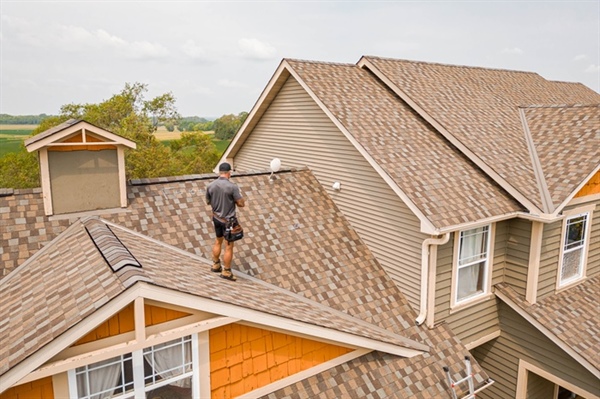
Your roof protects everything beneath it, yet most homeowners only think about it after a leak appears or shingles are found in the yard. A professional roof inspection is far more detailed than a quick glance at the surface. It is a structured evaluation of the roofing system, drainage components, flashing details, ventilation, and structural elements that all work together to protect your home. Sharp Exteriors approaches inspections with a systems-based mindset, recognizing that roof performance depends on far more than shingles alone.
Understanding what happens during an inspection helps homeowners make informed decisions about maintenance, repairs, and long-term planning. From examining critical components beyond visible materials to documenting findings and identifying storm-related damage, each step plays a role in protecting your investment. The sections below explain what areas are evaluated beyond shingles, how long inspections typically take, what documentation you should receive, how often Minnesota homes should be inspected, and whether hidden storm damage can be detected. If you're exploring professional roofing services, knowing what to expect during an inspection is the first step.
Comprehensive Roof Inspection: Areas Evaluated Beyond Shingles
A professional roof inspection examines the entire roofing system, not just surface materials. Inspectors assess flashing around chimneys, skylights, plumbing vents, and roof-to-wall transitions. Flashing failures are one of the leading causes of leaks because these areas interrupt the continuous plane of shingles. Metal components are checked for corrosion, improper fastening, sealant breakdown, and separation that may allow water intrusion.
The inspection also includes the roof deck and structural support system when accessible. Signs of deck deflection, soft spots, or moisture intrusion beneath shingles can indicate long-term water exposure. In attic spaces, inspectors evaluate insulation levels, ventilation performance, and signs of condensation or mold growth. Proper intake and exhaust ventilation directly influence shingle lifespan and prevent ice dam formation during Minnesota winters.
Drainage components are equally important. Gutters, downspouts, drip edge, and valley channels are inspected for blockages, separation, and proper water flow. Poor drainage can accelerate shingle deterioration and damage fascia or soffits. A full-system evaluation ensures that the roofing assembly functions as designed, which is a core principle behind professional residential roofing standards.
How Long a Professional Roof Inspection Typically Takes
The duration of a professional roof inspection depends on roof size, pitch, complexity, and accessibility. For an average single-family home, inspections commonly take between 45 minutes and two hours. Larger homes with multiple slopes, dormers, steep pitches, or complex flashing transitions require additional time due to safety protocols and detailed evaluation.
Time is also influenced by whether attic spaces are accessible and whether storm damage is suspected. When hail or wind damage is under review, inspectors often perform systematic test-square evaluations to document impact frequency and distribution. This method requires careful measurement and photographic documentation, which extends the inspection timeline.
Weather conditions play a role as well. Wet, icy, or snow-covered roofs require additional safety measures and may limit surface assessment until conditions improve. A thorough inspection prioritizes accuracy and documentation rather than speed, ensuring that no component is overlooked.
Roof Inspection Reports: What Documentation Homeowners Should Receive
After a professional inspection, homeowners should receive clear, structured documentation of findings. This typically includes written summaries describing material condition, flashing performance, ventilation status, drainage function, and any observed deficiencies. Each identified issue should be described in objective, measurable terms rather than general statements.
Photographic evidence is a standard component of professional reporting. Images should highlight areas of concern such as granule loss, exposed fasteners, lifted shingles, hail impact marks, deteriorated sealant, or compromised flashing. Photographs provide verification and allow homeowners to understand roof conditions without physically accessing the surface.
In cases involving insurance claims, documentation may include annotated diagrams, test-square measurements, and storm-date references. Detailed reporting supports transparency and provides a baseline record for future comparisons. Proper documentation ensures that homeowners can track roof condition over time and make data-driven maintenance decisions.
How Often Roofs Should Be Inspected in Minnesota’s Climate
Minnesota’s climate creates unique stressors for roofing systems. Freeze-thaw cycles, heavy snow loads, ice dams, high winds, and hail events accelerate wear compared to milder regions. Industry best practice supports professional inspections at least once every one to two years, even when no visible damage is present.
Inspections are particularly important after major weather events. Hailstorms can displace protective granules without creating immediate leaks. Wind events may loosen shingles or compromise flashing. Ice dam formation during winter can force water beneath shingle edges, damaging underlayment and decking. Regular evaluations help identify these conditions before interior damage occurs.
Homes over ten years old or nearing the midpoint of their expected material lifespan benefit from more frequent monitoring. Asphalt shingles, the most common residential material, have lifespans that vary based on ventilation, installation quality, and exposure conditions. Scheduled inspections provide early detection of age-related deterioration and reduce unexpected repair costs.
Detecting Hidden Storm Damage During a Professional Roof Inspection
Storm damage is not always visible from ground level. Hail impacts often fracture shingle mats beneath the granule surface without immediately exposing the fiberglass base. These fractures weaken waterproofing capability and can accelerate aging. A trained inspector identifies impact patterns, bruising, and circular granule displacement that indicate functional damage.
Wind damage may not result in missing shingles but can break sealant bonds that secure shingles in place. When adhesive strips fail, shingles become vulnerable to future uplift during moderate winds. Inspectors test for loosened tabs and examine ridge caps and hip lines where uplift forces are strongest.
Flashing separation, bent metal edges, and micro-tears in underlayment are additional storm-related conditions that are rarely visible from the ground. A detailed inspection can reveal these vulnerabilities before leaks develop. For homeowners seeking further guidance or professional evaluation, Sharp Exteriors provides system-focused roof assessments based on documented evidence.
Schedule a Professional Roof Inspection with Sharp Exteriors
A roof inspection is more than a surface check. It involves evaluating flashing integrity, ventilation performance, drainage systems, structural decking, and potential storm impact. Sharp Exteriors applies a comprehensive approach rooted in industry standards and regional expertise. Serving homeowners from 16859 Welcome Avenue SE, Prior Lake, MN 55372, the company understands how Minnesota weather affects roofing systems year after year.
Whether you need documentation following a storm, a preventative inspection for long-term maintenance planning, or an evaluation before buying or selling a home, professional reporting provides clarity. Clear photographs, written summaries, and objective assessments help homeowners make informed decisions about repairs or replacement timelines.
To schedule a professional inspection or speak with a roofing specialist, call 612-454-0605 or contact us today. Sharp Exteriors delivers detailed evaluations designed to protect your home and extend the life of your roofing system.