What Are the Most Common Roofing Problems Caused by Minnesota Winters?
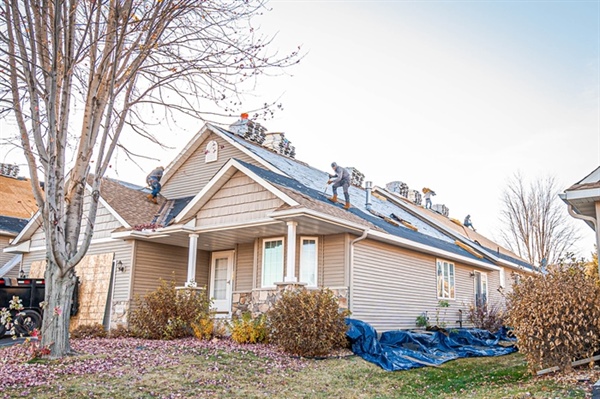
Minnesota winters are defined by prolonged freezing temperatures, repeated freeze-thaw cycles, heavy snowfall, and ice buildup along roof edges. These seasonal conditions place unique and measurable stress on roofing systems. When temperatures fluctuate above and below freezing, snow melts and refreezes along the eaves. When snow accumulates beyond design expectations, structural loads increase. When attic temperatures are uneven, moisture and condensation develop. Over time, these conditions create predictable roofing failures that property owners across Prior Lake and the Twin Cities encounter year after year.
Understanding how winter affects roofing systems requires looking beyond visible surface damage. Ice dams form due to heat transfer and refreezing patterns. Attic ventilation alters roof deck temperatures. Snow load affects framing and decking performance. Hidden moisture pathways cause leaks without missing shingles. Prevention strategies depend on insulation balance, ventilation design, drainage control, and material performance. The following sections examine how these winter forces impact residential roofing systems and commercial structures throughout Minnesota, and why cold-weather roof failures follow consistent physical principles.
How Ice Dams Form and Damage Roofing Systems in Minnesota Winters
Ice dams develop when heat from the attic warms the underside of the roof deck, causing snow on the upper portion of the roof to melt. That meltwater travels downward until it reaches the colder eaves, where it refreezes. Over time, this refreezing creates a ridge of ice that blocks additional runoff. Water then backs up behind the ice barrier and is forced beneath shingles, flashing, and underlayment. This process is driven by heat loss, not simply snowfall volume.
The damage caused by ice dams is well documented. When backed-up water penetrates beneath shingles, it saturates roof decking and insulation. Wood sheathing can absorb moisture, reducing its structural integrity. Insulation loses thermal resistance when wet, increasing heat transfer and accelerating further melting. Interior drywall staining, ceiling leaks, and mold growth frequently follow prolonged ice dam conditions. Freeze-thaw cycles also expand trapped water within roofing materials, leading to granule loss and premature shingle deterioration.
Properly designed residential roofing systems in Minnesota account for ice barrier underlayment at eaves, correct insulation levels, and balanced intake and exhaust ventilation. Minnesota building codes require ice and water shield membranes along roof edges because ice dam formation is predictable in this climate. Without these protective layers, winter moisture intrusion becomes significantly more likely during extended freezing periods.
Why Attic Ventilation Directly Impacts Winter Roof Performance
Attic ventilation regulates temperature and moisture levels beneath the roof deck. In winter, inadequate ventilation allows warm interior air to accumulate in the attic. This heat warms the roof deck unevenly, contributing directly to snow melt and ice dam formation. The greater the temperature difference between the upper roof surface and the eaves, the more pronounced the refreezing cycle becomes.
Moisture control is equally important. Warm indoor air contains water vapor. When that vapor rises into a cold attic without proper airflow, condensation forms on the underside of the roof deck. Over time, this repeated condensation can lead to mold growth, wood rot, and deterioration of fasteners. Even when shingles appear intact from the exterior, hidden moisture damage may be occurring beneath the surface.
Balanced intake and exhaust ventilation systems are critical for both homes and commercial roofing assemblies. Ridge vents, soffit vents, and properly sized exhaust systems work together to maintain uniform roof deck temperatures. In cold climates such as Minnesota, ventilation is not optional; it is a structural performance requirement that directly affects winter durability.
How Snow Accumulation Places Structural Stress on Roofing Systems
Snow load is a measurable structural force. Fresh snow typically weighs between 10 and 20 pounds per cubic foot, while compacted or wet snow can exceed 20 pounds per cubic foot. Minnesota building codes establish minimum roof load requirements because snow accumulation is expected. When snowfall exceeds those anticipated loads, structural members such as rafters, trusses, and roof decking experience increased stress.
Uneven snow distribution compounds the problem. Wind drifting can create concentrated load areas along ridges or valleys. Flat or low-slope roofs are especially vulnerable because snow does not shed naturally. Prolonged accumulation increases the risk of deflection, cracked drywall, or in extreme cases, structural failure. Ice accumulation adds further weight, intensifying the total load.
Freeze-thaw cycles also contribute to stress. As snow partially melts and refreezes, it becomes denser and heavier. Roof systems that are aging, previously water-damaged, or improperly framed are more susceptible to deformation under these compounded loads. Monitoring snow depth and understanding structural design limits are critical in regions where winter accumulation is consistent and prolonged.
What Causes Winter Roof Leaks Without Visible Exterior Damage
Winter roof leaks often occur without missing shingles or obvious storm damage. One common cause is ice dam backflow, where water enters beneath intact shingles due to blocked drainage. Another cause is condensation within the attic that drips downward onto insulation and ceiling surfaces. In both cases, the exterior roofing surface may appear fully functional.
Flashing transitions are another vulnerability. Metal flashing around chimneys, skylights, and roof penetrations expands and contracts with temperature changes. Repeated thermal movement can open small gaps that allow wind-driven snow or melting ice to infiltrate. Because these openings may be microscopic, leaks often appear intermittently during specific temperature conditions rather than continuously.
Roof valleys and low-slope intersections are also prone to hidden infiltration. When melting snow funnels into concentrated channels, even minor underlayment defects can allow moisture entry. Since winter leaks are frequently driven by water backup or condensation rather than surface damage, thorough inspection of insulation, ventilation, and flashing assemblies is required to identify the true source.
How to Prevent Cold-Weather Roof Failures in Minnesota
Preventing winter roof failure begins with controlling heat transfer. Proper attic insulation reduces upward heat loss, minimizing uneven snow melt. Air sealing prevents warm indoor air from entering the attic and introducing moisture. When insulation and air barriers function together, roof deck temperatures remain more consistent across the entire surface.
Ventilation must be correctly sized and balanced to maintain airflow from soffits to ridge. Intake vents supply cold exterior air, while exhaust vents allow warm attic air to escape. This continuous movement reduces condensation and stabilizes surface temperatures. Ice barrier membranes installed along eaves provide secondary protection if water backs up beneath shingles.
Routine inspections and maintenance play a central role in prevention. Identifying early signs of shingle wear, flashing separation, or insulation gaps reduces the likelihood of winter failure. Property owners seeking professional evaluation can contact Sharp Exteriors for detailed roof assessments in Prior Lake and surrounding communities. Addressing ventilation, insulation, drainage, and material performance together creates a roofing system capable of withstanding Minnesota’s sustained freezing conditions.
Protect Your Roof from Minnesota Winter Damage
Sharp Exteriors, located at 16859 Welcome Avenue SE, Prior Lake, MN 55372, specializes in roofing systems designed for harsh Midwestern climates. From ice barrier installation and ventilation corrections to structural assessments and snow-load evaluations, their team addresses the root causes of winter roof failures rather than surface symptoms. Minnesota winters demand durable materials, correct installation methods, and attention to insulation and airflow performance.
If your property has experienced ice dams, winter leaks, condensation issues, or heavy snow stress, professional evaluation can prevent long-term structural damage. Call 612-454-0605 to schedule an inspection or contact us online. Sharp Exteriors provides comprehensive residential and commercial roofing services tailored to Minnesota’s climate conditions.