How Does Storm Damage Roofing Insurance Claims Work in Minnesota?
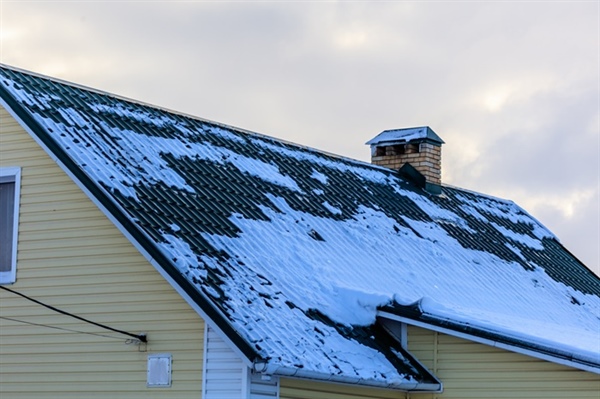
Storms in Minnesota are not minor weather events. Hail, high winds, heavy rain, and rapid freeze-thaw cycles place extreme stress on roofing systems across the state. When shingles are lifted, granules are stripped away, or flashing is compromised, homeowners often turn to insurance for relief. Understanding how storm damage roofing insurance claims work in Minnesota requires more than filing paperwork. It involves documentation, inspection standards, adjuster evaluations, policy interpretation, and strict timelines. A clear grasp of the process can make the difference between a smooth claim and a prolonged dispute.
Many homeowners are unsure what evidence carriers require, how adjusters determine damage, what statements may affect claim outcomes, how long approvals take, or what options exist if a claim is denied. These questions are critical when dealing with residential storm damage in a climate known for severe seasonal events. Sharp Exteriors has worked with Minnesota homeowners who face these exact concerns after hailstorms, wind events, and winter ice damage. The sections below address the documentation requirements, inspection process, communication pitfalls, claim timelines, and denial scenarios that shape roofing insurance outcomes in Minnesota.
What Documentation Is Required for a Roof Insurance Claim in Minnesota?
Insurance carriers in Minnesota require objective, date-specific documentation that proves both the existence of storm damage and the timing of the loss. The foundation of any roof claim begins with high-resolution photographs of all affected elevations, slopes, flashing details, vents, valleys, and interior leak areas. Photos must clearly show bruising, granule displacement, lifted shingles, creased tabs, fractured matting, or punctures caused by hail or wind-driven debris. Wide-angle images establish overall roof condition, while close-up shots demonstrate measurable impact damage.
In addition to photos, insurers commonly request a written inspection report outlining the type of damage, approximate age of the roofing system, material composition, and estimated repair or replacement scope. Contractors often provide annotated diagrams marking impact locations. Weather verification reports are also frequently used in Minnesota claims. These reports confirm hail size, wind speeds, and storm dates using NOAA or third-party meteorological data, linking roof damage to a specific weather event.
Homeowners should also retain maintenance records, prior inspection reports, invoices from previous repairs, and documentation showing the roof’s condition before the storm. This helps distinguish sudden storm-related loss from long-term wear. When evaluating residential storm damage, carriers compare physical findings against policy language that excludes deterioration and deferred maintenance. Detailed documentation limits ambiguity and supports a clear, fact-based claim submission.
How Insurance Adjusters Evaluate Storm Damage on Residential and Commercial Roofs
Insurance adjusters follow standardized inspection protocols when assessing storm-related roof damage. In Minnesota, this typically includes a physical walk-through of all roof slopes, a test square evaluation for hail strikes, inspection of soft metals, and review of collateral indicators such as damaged gutters, downspouts, and window screens. Hail damage is often identified by circular impact marks with displaced granules and exposed asphalt matting. Wind damage is characterized by creased shingles, broken sealant strips, and lifted tabs.
Adjusters distinguish between functional damage and cosmetic impact. Functional damage affects the roof’s ability to shed water and protect the structure. Cosmetic damage may not qualify for replacement under certain policies. On commercial properties, flat roofing systems such as TPO, EPDM, or modified bitumen are evaluated for membrane punctures, seam separation, and insulation compression. Inspections related to commercial storm damage often involve core sampling or moisture scans to detect hidden saturation beneath the membrane.
Adjusters document findings in an itemized estimate using industry-standard pricing software such as Xactimate. The estimate includes line items for tear-off, disposal, underlayment replacement, flashing, ventilation components, and code upgrades where applicable. Minnesota’s building code requirements may influence scope, especially when more than a certain percentage of the roof system is compromised. The adjuster’s evaluation forms the financial basis of the claim settlement.
What Homeowners Should Avoid Saying During an Insurance Roof Inspection
Statements made during an inspection can influence how a claim is interpreted. Homeowners should avoid speculating about the age or condition of the roof if they do not have verified documentation. Saying a roof was “already old” or “probably needed replacement soon” may lead to closer scrutiny under policy exclusions for wear and tear. Claims are approved based on sudden and accidental damage caused by a covered peril, not gradual deterioration.
It is also important not to minimize visible damage. Comments such as “it’s probably nothing” or “it only leaks a little” may create doubt about severity. Inspections rely on physical evidence rather than assumptions. Homeowners should answer questions factually and provide documentation rather than opinions about cause. If interior leaks occurred, describe when they were first observed and correlate them with the storm date if possible.
Another area to approach carefully involves prior repairs. Concealing previous work can raise credibility concerns, yet overstating past issues may blur the distinction between storm damage and pre-existing conditions. Providing accurate repair invoices and inspection records allows the adjuster to separate old repairs from new impact-related damage. Clear, factual communication protects the integrity of the claim process.
How Long Roof Insurance Claims Typically Take in Minnesota
Roof insurance claim timelines in Minnesota vary depending on carrier workload, storm severity, and documentation completeness. After a major hail event, carriers may handle thousands of claims simultaneously, which can extend inspection scheduling. Initial inspections are often completed within one to three weeks of filing, depending on demand and weather conditions.
Following inspection, the adjuster prepares an estimate and submits it for internal review. If documentation is sufficient and no disputes arise, payment for the actual cash value portion of the claim may be issued within two to four weeks. Replacement cost value payments are typically released after repairs are completed and invoices are submitted. If supplemental damage is discovered during tear-off, additional review may extend processing time.
Disputes over scope, depreciation, or code requirements can lengthen the timeline. Minnesota policies often include specific deadlines for claim filing and proof-of-loss submission. Meeting these deadlines and providing thorough documentation early in the process reduces unnecessary delays and supports a more predictable resolution timeline.
What Happens If an Insurance Company Denies a Roof Damage Claim?
Denials typically occur when the carrier determines that the damage does not meet policy criteria for a covered peril. Common reasons include findings of long-term deterioration, improper installation, lack of storm verification, or damage falling below the deductible threshold. The denial letter must cite specific policy language explaining the basis for rejection.
Homeowners have the right to request a reinspection if additional evidence exists. This may include contractor reports, weather data, or new photographic documentation. A second adjuster or independent engineer may be assigned to reassess the property. Minnesota policyholders may also invoke the appraisal clause if there is disagreement about the amount of loss rather than coverage itself.
If further dispute remains, formal complaint processes through the Minnesota Department of Commerce are available. Legal review may also be considered when coverage interpretation is contested. For policyholders seeking clarification on next steps, Sharp Exteriors provides inspection documentation and storm assessments; additional information is available through Sharp Exteriors. Understanding policy rights and procedural remedies helps homeowners respond strategically to claim denials.
Work With a Minnesota Roofing Team That Understands Storm Insurance Claims
Storm damage claims require detailed documentation, accurate inspections, and a clear understanding of Minnesota building codes and insurance standards. Sharp Exteriors has assisted homeowners throughout Prior Lake and the Twin Cities since 2011 with comprehensive roof inspections, hail assessments, wind damage evaluations, and full exterior restoration services. From identifying functional shingle damage to documenting collateral impact on gutters and siding, our team works with precision and clarity.
If you are facing roof damage, need inspection documentation, or have questions about a denied claim, contact Sharp Exteriors at 612-454-0605. Our office is located at 16859 Welcome Avenue SE, Prior Lake, MN 55372. You can also contact us online to schedule a professional evaluation and receive detailed storm damage documentation tailored to Minnesota conditions.