How Does Hail Damage Affect Roofing Systems in Minnesota?
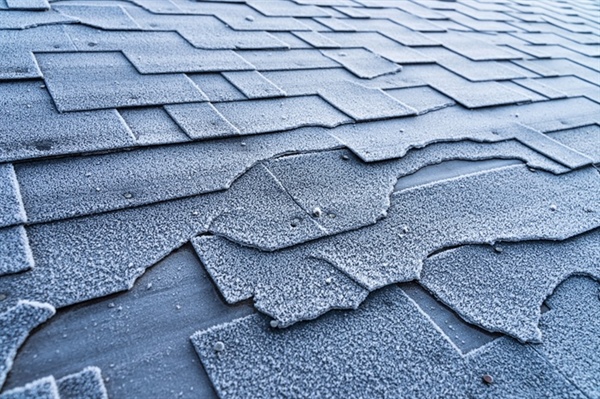
Minnesota homeowners are no strangers to severe weather. From spring hailstorms to late-summer systems that roll through the Twin Cities with little warning, roofing systems take repeated impact year after year. While hail may only last minutes, its effects on asphalt shingles and roofing components can develop over months or even years. The visible dents left behind are only part of the story. Beneath the surface, structural integrity, granule adhesion, waterproof barriers, and overall lifespan can all be compromised. Understanding how hail damage affects roofing systems in Minnesota requires more than a quick visual check — it involves knowing what impact forces do to roofing materials designed to withstand decades of exposure.
At Sharp Exteriors, storm-related roof damage is one of the most common exterior concerns observed across residential and commercial properties throughout Prior Lake and the greater Twin Cities area. In this article, we’ll examine what hail damage actually looks like on asphalt shingles, whether small hail can cause long-term roof failure, how quickly inspections should occur after a storm, what insurance policies in Minnesota typically cover, and whether hail damage can reduce roof lifespan even without immediate leaks. Each of these factors plays a measurable role in determining the long-term performance of a roofing system — especially in a state where severe weather is part of the climate cycle.
To better understand how storm impacts affect residential properties, it’s helpful to review how residential storm damage is evaluated and documented following severe weather events.
What Hail Damage Looks Like on Asphalt Shingles in Minnesota
Hail damage on asphalt shingles presents in distinct physical patterns that trained inspectors recognize immediately. The most common indicator is circular or random impact marks where protective granules have been displaced. These granules shield the asphalt mat from ultraviolet radiation and weather exposure. When hailstones strike, they compress the shingle surface and dislodge granules, exposing the underlying asphalt layer. In Minnesota, where freeze-thaw cycles are frequent, this exposed asphalt becomes more vulnerable to cracking and accelerated deterioration.
Impact bruising is another measurable form of damage. Unlike cosmetic scuffing, bruising occurs when hail fractures the fiberglass reinforcement mat beneath the shingle surface. This damage may not always be obvious from ground level. When pressure is applied to a compromised area, it often feels soft or spongy due to crushed internal structure. Over time, these weakened sections can split, allowing water infiltration. Metal components such as vents, flashing, and gutters frequently show denting alongside shingle damage, which helps confirm hail size and storm severity.
Granule loss can also accumulate in downspouts and gutters following storms. While minor granule shedding is normal over a roof’s lifespan, concentrated deposits after a hail event often indicate surface compromise. Documenting this type of residential storm damage is critical in distinguishing between age-related wear and impact-related deterioration. In Minnesota’s climate, where heavy snow loads and ice dams follow hail season, compromised shingles are less capable of resisting moisture intrusion.
Can Small Hail Cause Long-Term Roof Failure?
Small hail — typically under one inch in diameter — is often underestimated. While larger hailstones create immediate visible fractures, smaller hail can create cumulative surface fatigue. Asphalt shingles are engineered to resist impact within specific tolerances. However, repeated minor impacts can loosen granules and create microfractures in the asphalt layer. These microfractures may not produce leaks immediately but can expand under thermal cycling.
Minnesota roofing systems are subjected to extreme seasonal temperature swings. When shingles already weakened by small hail experience freeze-thaw expansion, the internal stress compounds. Over time, the fiberglass mat may delaminate, reducing tensile strength. Laboratory impact testing has shown that even minor granule displacement increases UV exposure, which accelerates oxidation of the asphalt binder. Oxidized shingles become brittle and more prone to cracking.
Commercial properties face similar risks across large membrane surfaces and low-slope assemblies. Minor impact damage can disrupt protective coatings or puncture single-ply systems without immediate detection. Evaluation of commercial storm damage often reveals that small hail events contribute to gradual system degradation rather than sudden failure. Over several seasons, what appeared insignificant can result in shortened service life.
How Soon After a Storm Should Hail Damage Be Inspected?
Roof inspections should occur as soon as conditions are safe following a hailstorm. Prompt evaluation serves two primary purposes: identifying active damage and preserving documentation for insurance claims. Minnesota insurance policies often include specific reporting timeframes, and delayed inspections can complicate claim validation. Early assessment allows differentiation between fresh impact marks and pre-existing wear.
Timely inspections also prevent secondary damage. If hail has fractured shingles or flashing, water infiltration may begin with the next rainfall. Moisture intrusion into decking, insulation, or attic spaces can lead to mold growth, wood rot, and compromised structural components. Infrared imaging and moisture mapping are commonly used in commercial inspections to detect hidden water penetration shortly after impact events.
Environmental exposure further changes the appearance of hail damage over time. Granule loss areas darken due to oxidation, making it more difficult to distinguish recent impacts from aging. Immediate documentation provides clear evidence of storm-related causation. In a climate like Minnesota’s, where severe weather can be followed quickly by additional systems, inspection timing directly affects repair scope and claim clarity.
What Hail Damage Insurance Typically Covers in Minnesota
Most Minnesota homeowners insurance policies cover sudden and accidental direct physical damage caused by hail. Covered components typically include shingles, underlayment, flashing, vents, and in some cases, interior water damage resulting directly from roof compromise. Coverage is subject to deductible structures, which in Minnesota may be percentage-based for wind and hail events.
Policies generally distinguish between cosmetic damage and functional damage. Functional damage affects the roof’s ability to shed water or maintain structural integrity. Cosmetic exclusions are more common with metal roofing systems but can appear in asphalt policies as well. Minnesota insurers frequently require documented evidence that impact damage reduces performance or lifespan to authorize full replacement rather than repair.
Commercial insurance policies may include actual cash value or replacement cost provisions depending on endorsements. Understanding how insurers evaluate impact severity is critical when reviewing storm-related claims. While insurance structures vary by carrier, documented hail impact that compromises waterproofing performance typically falls within standard coverage parameters in Minnesota.
Can Hail Damage Shorten Roof Lifespan Even Without Leaks?
Yes. Hail damage can reduce roof lifespan even when no immediate leaks are present. Asphalt shingles rely on granule coverage to protect against ultraviolet radiation. When hail dislodges granules, UV rays accelerate oxidation of the asphalt binder. Oxidized asphalt loses flexibility, becoming brittle and more susceptible to cracking during thermal movement.
Impact bruising also weakens internal reinforcement layers. Over time, minor fractures expand due to expansion and contraction cycles. Minnesota’s seasonal extremes amplify this process. A roof that might otherwise last 25 to 30 years can experience measurable performance decline years earlier when impact damage is left unaddressed.
Progressive degradation often appears gradually: increased granule shedding, curling edges, and premature cracking. Property owners evaluating storm impact frequently consult Sharp Exteriors for detailed assessments because latent damage may not manifest visibly for several seasons. Structural lifespan is determined not only by leaks, but by material integrity — and hail directly affects that integrity.
Professional Storm Damage Assessment and Roofing Solutions in Prior Lake, MN
When hail impacts compromise roofing systems, experienced evaluation is critical. Sharp Exteriors provides comprehensive roofing inspections, storm damage documentation, and full roof replacement services for residential and commercial properties throughout Minnesota. Located at 16828 Welcome Ave SE, Prior Lake, MN 55372, the company specializes in asphalt roofing systems designed to withstand regional weather patterns.
Storm restoration requires accurate impact identification, insurance documentation support, and high-performance material installation. Sharp Exteriors works directly with property owners to assess hail-related damage and provide detailed project scopes aligned with Minnesota building standards. For storm damage inspections or roofing consultations, call 612-454-0605 or contact us to schedule a professional evaluation.