Choosing the Best Gutter System for Home Function & Curb Appeal
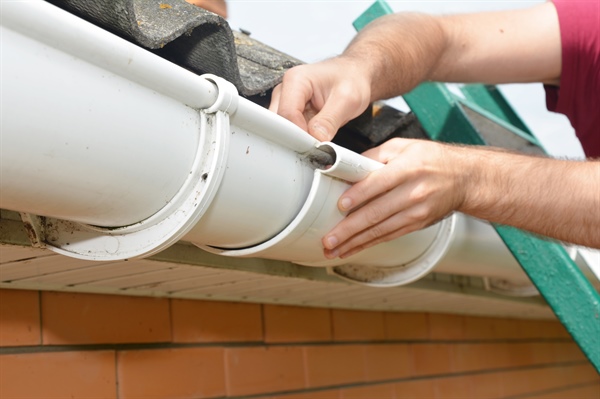
Choosing the right gutter system for your home isn't just about managing rainwater—it's about making a smart investment that balances functionality and visual appeal.
An efficient gutter system protects your home’s foundation, siding, and landscaping from water damage, while also enhancing the overall look of your property. Whether you're building a new home or upgrading an existing one, understanding the nuances of different gutter systems is key to long-term performance and satisfaction.
From selecting materials like aluminum, copper, or vinyl, to choosing a style that complements your roofline, there’s a lot more to gutters than meets the eye. At Sharp Exteriors, we recognize how the right choices can transform both the resilience and appearance of your exterior.
Thoughtful decisions about color, finish, guards, and sizing not only impact water control but also contribute to the overall curb appeal of your home.
In this guide, we’ll explore everything you need to know before making a decision. For homeowners looking for reliable gutter services, this breakdown will help you make informed decisions that last.
Understanding the Functional Differences Between Gutter Materials
When selecting a gutter system, material choice plays a significant role in determining both performance and longevity. Among the most popular options are aluminum, steel, copper, and vinyl, each with distinct characteristics.
Aluminum is favored for its lightweight nature and resistance to corrosion, making it a practical choice for most climates. It is also easily shaped into seamless profiles that reduce the risk of leaks.
Steel, by contrast, is stronger and more impact-resistant but is heavier and can be prone to rust without proper coatings. Homeowners in regions with heavy snowfall or falling branches often consider steel for its durability under load.
Copper gutters, though more expensive, provide unmatched longevity and a distinctive aesthetic that evolves over time. They develop a natural patina, adding character to older or more architecturally detailed homes. Functionally, copper is highly resistant to corrosion and performs well in varied climates. However, it typically requires professional installation due to its weight and specialized joining techniques.
Vinyl, often the most affordable material, is easy to install and resistant to rust and rot. However, it is less durable in extreme temperatures and may crack or fade with prolonged sun exposure, making it better suited for milder climates or short-term solutions.
The right material depends on a home’s climate exposure, aesthetic requirements, and budget constraints. By understanding how each type behaves over time, homeowners can make informed decisions that balance maintenance requirements with visual expectations. Sharp Exteriors offers an array of gutter services that incorporate industry-standard materials designed to meet performance needs and design preferences.
How Gutter Style Impacts Water Control & Exterior Design
Gutter style is more than a cosmetic detail—it directly affects how efficiently rainwater is collected and directed away from your home. The two most common gutter profiles are K-style and half-round.
K-style gutters feature a flat back and bottom with a decorative front that resembles crown molding, making them a popular choice for modern residential applications. Their angular shape allows for greater water capacity compared to half-round profiles of the same width, making them suitable for homes in regions that experience heavy rainfall.
Half-round gutters, as the name suggests, are semicircular and often found on historic or high-end homes where visual harmony is a priority.
From a performance standpoint, K-style gutters offer strong attachment to fascia boards and efficient water flow due to their angled design. Half-round gutters, while easier to clean and less prone to corrosion thanks to fewer crevices, may require more frequent maintenance if not properly sized.
The choice between these two also affects how downspouts are integrated and how well the system handles debris. For homeowners prioritizing both function and style, the selection should align with the roof pitch, water flow needs, and the architectural character of the home.
Style also plays a key role in curb appeal. Gutters that mirror or accentuate trim and roofing lines contribute to a cohesive appearance. Coordinating shapes and finishes with roof types, such as matching seamless K-style gutters with asphalt shingles, enhances the home’s overall aesthetic.
For broader exterior projects that involve roof work, companies like Sharp Exteriors that offer integrated residential roofing and gutter services can help ensure consistent design and efficient water management in one project.
The Critical Role of Gutter Guards & Accessories in Performance
Gutter guards and accessories are often underestimated components of a complete gutter system, but they significantly impact both maintenance frequency and long-term efficiency.
Gutter guards are designed to keep out leaves, twigs, and debris while allowing rainwater to flow freely into the gutter trough. This is particularly important for homes located near trees or in regions that experience frequent seasonal shedding.
Without guards, gutters are prone to clogs that can lead to water overflow, fascia rot, and even foundation damage due to improper drainage. Guards reduce these risks by minimizing buildup, preserving both the gutter system and adjacent exterior materials.
Types of Gutter Guards
Several types of guards are available, including mesh screens, reverse curve systems, and foam inserts. Each design offers varying degrees of filtration and ease of cleaning.
Mesh screens are a popular choice due to their balance of cost and effectiveness, allowing fine debris to be blocked while maintaining high water throughput.
Reverse curve systems are more complex and are engineered to direct water into the gutter while shedding debris over the edge, but they often require professional installation.
Foam inserts are an economical option but may deteriorate faster and require more frequent replacement. The selection depends on the local environment, budget, and how much maintenance a homeowner is willing to perform.
Beyond Guards: Other Accessories for Gutters
Beyond guards, downspout extensions, splash blocks, and hangers also contribute to system performance. Downspout extensions ensure water is directed far enough from the foundation, while splash blocks help prevent erosion at the exit point.
Secure hangers maintain alignment and slope integrity, especially under load. Together, these accessories form a holistic system that enhances water management and reduces the likelihood of structural issues. Investing in the right combination of guards and accessories ensures the system functions efficiently year-round with minimal manual intervention.
Maximizing Curb Appeal Through Thoughtful Color & Finish Selection
Gutters are a visible architectural element, and their color and finish can significantly influence a home’s curb appeal. Modern gutter systems are available in a wide range of baked-on enamel colors and custom finishes that blend with or accentuate exterior palettes.
For homeowners seeking subtle integration, selecting gutter colors that match soffits, fascia, or trim provides a seamless, understated look. Conversely, contrasting colors can be used to highlight architectural lines or coordinate with accent elements like shutters and doors. This design flexibility allows gutters to serve both a functional and decorative purpose.
Finish quality plays a role not only in appearance but also in longevity. Baked enamel coatings resist fading, chalking, and peeling, common issues in harsh weather. Powder-coated finishes offer additional durability and are ideal for climates with UV exposure or significant temperature shifts.
When paired with premium materials like aluminum or steel, high-quality finishes help retain the gutter’s color integrity for years, reducing the need for repainting or replacement.
Homeowners should also consider gloss levels; matte finishes often blend more naturally with most exteriors, while gloss or satin finishes can provide a clean, polished aesthetic.
In the design phase, evaluating how gutter color and finish interact with siding, roofing, and trim materials is critical. By choosing combinations that complement each other, homeowners can create a cohesive and appealing exterior profile without compromising on performance.
Thoughtful selections not only elevate visual impact but also contribute to the home’s resale value by presenting a well-maintained, intentional design. Planning, aesthetics, and function can work in harmony to enhance the overall appearance of any residential property.
Why Proper Gutter Sizing & Installation Determines System Success
Gutter sizing and installation precision are foundational to effective water management. Incorrect sizing—whether too narrow or too shallow—can lead to overflow during peak rainfall, causing water to spill over edges and damage siding, landscaping, or foundation walls.
The roof’s pitch and area determine the volume of water a gutter must handle, as steeper and larger roofs shed more water at higher speeds. Therefore, downspouts and trough dimensions must be selected to match projected runoff volumes. Standard 5-inch K-style gutters suit most residential applications, but 6-inch or custom-sized systems are often required for larger or steep-sloped roofs.
Slope calibration is another critical aspect. Gutters must be installed with a slight incline—typically 1/4 inch per 10 feet—toward the downspouts to maintain flow and prevent standing water. Improper slopes can lead to pooling, corrosion, ice dam formation in colder months, and accelerated debris accumulation.
Installation must also ensure secure mounting, often using hidden hangers spaced no more than 24 inches apart, to prevent sagging under load. In climates subject to snow and ice, reinforced brackets and ice guards may be recommended to maintain alignment and structural integrity.
Downspout placement is just as crucial as sizing. Each downspout should service no more than 40 feet of gutter run, and discharge zones must direct water away from the home’s foundation. When these principles are followed, the system effectively channels water while avoiding erosion and basement leaks.
Whether installing new gutters or replacing old ones, proper measurement, alignment, and component configuration ensure that the system performs under both average and extreme weather conditions. Precision at this stage directly affects system lifespan and overall home protection.
Partner with Sharp Exteriors for Custom Gutter Solutions
For homeowners who want both durability and aesthetic value, Sharp Exteriors offers full-service gutter system solutions tailored to your needs. Whether you’re weighing the pros and cons of aluminum versus copper, exploring style options to complement your home’s roofline, or seeking performance-enhancing accessories, our team can guide you every step of the way. Our experience in the Minneapolis-St. Paul metro area means we understand how local weather impacts material selection, sizing, and installation techniques.
Each system we install is built to protect your home while boosting its appearance and value. We’ve helped countless homeowners reduce maintenance, eliminate water intrusion issues, and achieve a clean, cohesive look that adds instant curb appeal.
Sharp Exteriors is ready to help you build a gutter system that lasts. Call us at 612-454-0605 or get a quote online to speak with our team about your home’s exterior needs. Whether you’re installing gutters for the first time or upgrading an aging system, trust the experts at Sharp Exteriors to deliver long-term protection and lasting beauty.