Bay vs. Bow Windows: Key Differences, Costs & Energy Efficiency
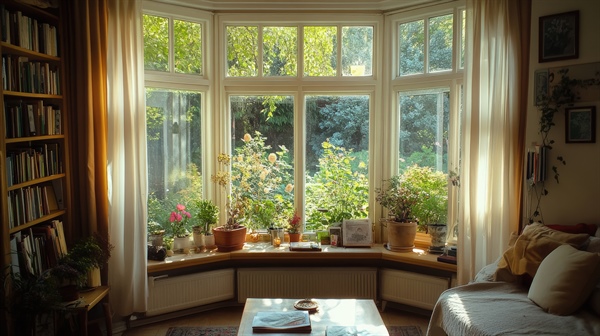
Choosing between bay and bow windows isn't just about aesthetics—it’s a decision that can reshape the function, lighting, and feel of your living space. Homeowners looking to enhance curb appeal or open up a room often narrow their options down to these two popular window styles.
While both offer outward projection and expansive views, the differences in structure, configuration, and functionality can significantly impact your home's design and performance.
Imagine you're redesigning your front room and want to invite more sunlight while creating a cozy alcove. A bay window might be the perfect solution with its angled structure and central picture window.
But what if you're looking for a softer, more symmetrical curve that maximizes light and lends your exterior a more classical look? That’s where bow windows shine. Each has its strengths, and knowing which fits your goals and architectural style can make all the difference.
Sharp Exteriors brings trusted expertise and regional knowledge to help homeowners in Prior Lake, MN, make informed decisions on window upgrades that align with their design preferences and functional needs.
Structural & Design Differences Between Bay vs. Bow Windows
Bay and bow windows may appear similar at first glance, but their underlying structure and design differ significantly.
A bay window typically consists of three panels—one large, fixed picture window in the center flanked by two smaller, operable windows (usually casement or double-hung) angled outward at 30 to 45 degrees. This angular design forms a trapezoidal projection that adds dimension and sharp lines to a home’s exterior.
Bay windows are often installed in living rooms, dining rooms, or master bedrooms to create a spacious, eye-catching focal point.
In contrast, bow windows consist of four to six equal-sized window panels arranged in a gentle arc. This curved structure provides a broader, more symmetrical look that blends more naturally into a home's architecture, especially on traditional or Victorian-style homes.
Bow windows can wrap around corners and often offer a more panoramic view, thanks to their gradual curvature and wider expanse of glass. Because of their design, bow windows require more wall space and are often used in larger rooms where the curved shape won’t interfere with furniture placement or traffic flow.
Functionally, bay windows tend to add slightly more interior space due to their angular projection, while bow windows offer a more subtle, rounded extension. Both designs serve as excellent architectural features, but the choice between them often comes down to how dramatically the homeowner wants to alter the structure and appearance of the room.
Learn more about each configuration at bay and bow windows.
The Impact of Bay & Bow Windows on Natural Light in Interior Space
Natural light is one of the most compelling reasons homeowners opt for bay or bow windows. Both styles extend outward from the wall, allowing light to enter from multiple angles, but their impact varies based on design.
Bay windows, with their three-panel structure, allow light from three distinct directions—straight ahead and from each angled side. This can significantly brighten a room and create a more dynamic light pattern throughout the day. The central picture window often remains fixed, providing an unobstructed view and maximum light exposure.
Bow windows, with their four to six panels, allow more consistent light distribution because the window panes form a curved façade. This continuous arc captures sunlight across a broader spectrum, especially beneficial in east- or west-facing walls where sunlight shifts dramatically during the day.
Additionally, the larger overall surface area of glass in bow windows increases the ambient brightness within the room, often reducing the need for artificial lighting during daylight hours.
Beyond lighting, both styles increase interior space. Bay windows commonly create a recessed nook ideal for seating, storage, or decoration, while bow windows offer a gently extended area that enhances openness without imposing hard angles.
Each design contributes a feeling of spaciousness, but the bow window’s smoother curve may feel more integrated and less intrusive in traditionally styled interiors. Learn more about Sharp Exteriors’ window services to understand how design affects both form and function.
Which Window Style Offers Better Curb Appeal & Architectural Compatibility?
Curb appeal plays a major role in home value and personal satisfaction, and window choice significantly affects exterior aesthetics. Bay windows project a bold, angular profile that suits modern, transitional, and contemporary home styles. Their sharp lines and central emphasis create a dramatic focal point that breaks up flat wall surfaces.
Homes with minimal ornamentation or those designed with clean geometry benefit most from bay windows due to their defined edges and pronounced structure.
Bow windows, on the other hand, present a softer, curved silhouette that aligns well with historic and traditional homes, especially those with ornate or classical detailing. Victorian and Colonial-style homes often feature bow windows to emphasize elegance and symmetry.
The smoother contour blends more seamlessly with decorative trim, overhangs, and siding details, making bow windows a natural fit for homeowners looking to enhance period architecture without disrupting the flow of the exterior design.
Both window types elevate curb appeal, but the best match depends on the architectural lines of the home. Bay windows may stand out more prominently, while bow windows contribute to a unified, graceful façade.
Their impact on home resale value also correlates with how well they complement the existing design. Professional consultation often helps identify which window style integrates best without overpowering or underwhelming the overall exterior.
Cost, Installation, & Maintenance Considerations for Bay vs. Bow Windows
Cost differences between bay and bow windows stem largely from the number of window panels and the complexity of the installation. Bay windows, typically made of three units, are generally less expensive than bow windows, which use four to six units.
Materials, glass type, and finishes also influence pricing, but in most cases, bow windows carry a higher base cost due to increased framing, custom curvature, and larger surface area. For homeowners with budget constraints, a bay window offers many of the same benefits with a lower upfront investment.
Installation is another key factor. Bay windows require structural support, particularly if they’re cantilevered beyond the foundation. Bow windows demand even more attention due to their broader span and need for precise angling and curvature alignment.
Professional installation is crucial for both styles to avoid moisture infiltration, energy loss, and structural issues. Homeowners should also factor in the potential need for header reinforcement, especially when replacing standard flat windows with these projections.
Maintenance for bay and bow windows depends on the window type and frame material. Wood-framed options may require repainting or resealing, while vinyl and composite models offer low-maintenance durability.
Operable side windows must be checked regularly for seal integrity and hardware function. The larger glass surface area of bow windows may slightly increase cleaning effort, particularly for multi-panel configurations. However, both styles offer long-term value with proper care and periodic inspection.
Energy Efficiency & Ventilation: Performance Comparison of Bay & Bow Windows
Energy performance depends heavily on window construction, glazing technology, and installation quality. Both bay and bow windows can be fitted with energy-efficient glass, low-E coatings, and insulated frames to reduce thermal transfer.
However, bow windows, with more panes and seams, may introduce more potential leakage points unless installed with high-quality materials and precision sealing. Conversely, bay windows, having fewer joints and a fixed central panel, often provide better inherent insulation properties.
Ventilation is another consideration. Bay windows typically feature operable side windows, which can be casement or double-hung, allowing for cross-ventilation. This setup helps regulate airflow and indoor temperature without relying solely on HVAC systems.
Bow windows can also include operable units, but due to their wider span and symmetrical design, they sometimes use more fixed panes, limiting ventilation. The specific configuration chosen (e.g., how many panels open) will ultimately determine air circulation effectiveness.
Choosing the right combination of operable and fixed panels, along with energy-efficient materials, is crucial for maximizing performance. Sharp Exteriors recommends configurations based on your climate zone and desired balance of light, air, and insulation.
Proper weatherstripping and professional installation further enhance the longevity and thermal efficiency of both window styles, contributing to year-round comfort and energy savings.
Transform Your Home with Expert Window Solutions from Sharp Exteriors
When comparing bay and bow windows, the right choice depends on the specific architectural style of your home, how much space you want to add, the amount of natural light you're aiming for, and your preferences for energy performance and maintenance.
While bay windows offer a bold, angular projection ideal for modern designs, bow windows provide a gentle curve that enhances classical exteriors. Each style can redefine a room’s look and functionality—but selecting the correct design requires expert insight and precise installation.
Sharp Exteriors understands that window upgrades are an investment in comfort, value, and style. From evaluating structural considerations and optimizing natural light to recommending energy-efficient configurations, our team guides homeowners through each step of the decision-making process.
W are your trusted partner for exterior remodeling services across the Twin Cities region. Our expert installers and consultants are ready to assist with your next window replacement project.
Contact us at 612-454-0605 or get a quote today to explore how Sharp Exteriors can help transform your home with high-performance window solutions tailored to your goals.