A Homeowner's Guide to Securing HOA Approval for Roofing & Exterior Projects
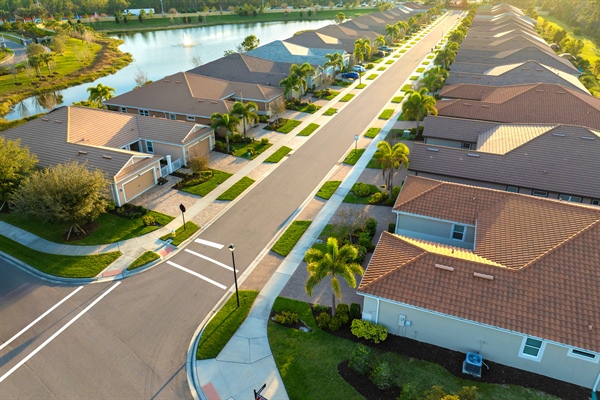
If you're a homeowner living in a community governed by a Homeowners Association (HOA), making changes to your roof, siding, or other exterior features isn’t as simple as hiring a contractor and getting to work.
Most HOAs have strict architectural guidelines designed to preserve neighborhood aesthetics and property values. Before starting a renovation or repair, you must first gain approval from your HOA. This process can seem overwhelming, especially if it’s your first time navigating HOA protocols. Sharp Exteriors has seen firsthand how crucial it is for homeowners to approach these projects fully informed and prepared.
In this guide, we’ll break down the most critical elements of securing HOA approval for your exterior renovation. Whether you're planning minor updates or full-scale work like residential roofing, this article gives you the facts to move forward with confidence.
How to Access & Interpret Your HOA’s Exterior Remodeling Guidelines
Understanding your HOA’s exterior modification rules is the first critical step in planning a roofing or siding project. These guidelines are typically outlined in the HOA’s governing documents—often called CC&Rs (Covenants, Conditions, and Restrictions), architectural standards, or design guidelines.
These documents define what’s permitted in terms of material, color, design, and structural changes. Homeowners can usually access these through the HOA's online portal, via email from the HOA board, or by attending a board meeting.
Some communities require homeowners to formally request access to these documents, particularly if they are undergoing updates.
Review All the Details
Once you obtain the guidelines, review sections related specifically to exterior changes, roofing materials, siding colors, and architectural integrity. Look for details on submission deadlines, required documentation, and decision timelines.
Many HOAs require that any replacement match the original materials in type and color, which can limit your options. In other cases, only certain colors or styles are pre-approved. Understanding these stipulations in advance helps avoid costly revisions or rejection of your proposal.
Key Elements to Include in Your HOA Exterior Project Proposal
Submitting a complete and precise proposal is often the difference between quick HOA approval and repeated revisions.
- Your proposal should include a formal, written request that outlines the project's scope, a detailed timeline, and the contractor's contact information.
- Include a clear description of the work to be performed, specifying which elements are being repaired, replaced, or added. The proposal must align precisely with the guidelines provided by the HOA, including paint colors and material specifications.
- Include supporting documentation such as diagrams or architectural renderings, detailed materials lists, and product brochures.
- Photos of your existing structure alongside digital previews of proposed changes can strengthen your case. If you’re submitting for siding services, for example, showing the current and intended look in high resolution provides visual context that helps board members assess compatibility with neighborhood standards.
Many HOAs also require proof of contractor licensing and insurance, particularly for exterior work that affects the structural integrity. Include a copy of your contractor’s credentials and relevant permits or certifications.
Label all documents clearly, and submit both physical and digital copies if requested. Taking the time to prepare a thorough proposal demonstrates respect for the approval process and increases your chances of gaining the green light on your first submission.
Benefits of Choosing a Contractor Familiar With HOA Project Requirements
Working with a contractor who understands the nuances of HOA approvals can save time, money, and frustration. These professionals are familiar with common architectural rules, document formats, and the general preferences of homeowners' association (HOA) boards.
They can help you design a project that meets regulatory requirements while achieving your desired aesthetic and functional goals. Contractors experienced in HOA projects often anticipate potential red flags and proactively adjust project specs to avoid delays.
In addition, these contractors are typically skilled at preparing the necessary documentation. They know how to assemble product specs, material samples, and visual renderings in a format that HOA committees expect.
Instead of you deciphering technical details or wrestling with formatting, a contractor accustomed to HOA requirements can streamline the process. Their ability to communicate effectively with HOA representatives also reduces the back-and-forth that often slows down approval.
The confidence and credibility that comes with hiring a knowledgeable contractor can influence how your project is received by the HOA. Boards are more likely to trust that the project will meet community standards and follow proper procedures when they see experienced professionals involved.
For these reasons, selecting the right contractor is just as important as planning the project itself.
What to Do If Your HOA Denies Your Roofing or Exterior Project Request
If your HOA denies your proposal, your first step should be to review the denial letter carefully. Understand the exact reason for the rejection—whether it’s due to materials, design, documentation, or procedural errors.
Many HOAs allow resubmission if you address their concerns and revise your application accordingly. This process may involve replacing materials, adjusting color schemes, or providing additional information such as contractor credentials.
In some cases, you can request a hearing or attend a board meeting to present your case in person. Be prepared with evidence such as photos of similar approved projects in the neighborhood, expert testimony from your contractor, or clarifying language from the HOA’s guidelines that support your proposed changes.
A respectful, well-documented appeal can sometimes persuade the board to reconsider.
If your appeal fails, consider mediation or legal consultation, especially if the HOA’s decision appears arbitrary or inconsistent with precedent. Some state and local laws regulate how HOAs must enforce architectural rules, offering homeowners a path for recourse.
Always keep a written record of all correspondence, approvals, and denials, as this documentation will be essential should the dispute escalate.
Sharp Exteriors Can Help Navigate Your HOA Roofing or Exterior Project
Navigating HOA approval for roofing, siding, or other exterior projects requires more than just technical skill—it demands an understanding of regulatory guidelines, architectural consistency, and clear communication.
Sharp Exteriors brings all of these elements together for homeowners in Prior Lake and surrounding communities. With deep expertise in residential roofing, siding, windows, doors, and gutters, our team ensures your project meets HOA standards without compromising design or durability.
If you’re ready to get started or need expert advice, we’re here to help. Reach out to Sharp Exteriors by calling 612-454-0605. For personalized service and fast, professional support with your HOA roofing or exterior project, get a quote today.